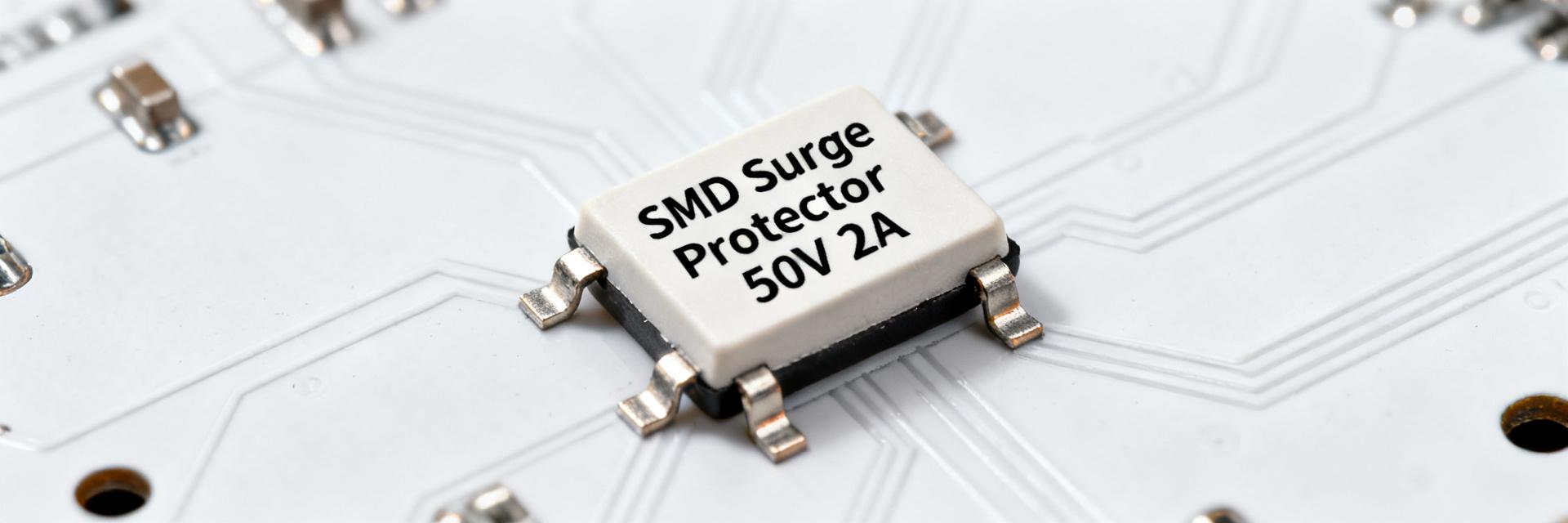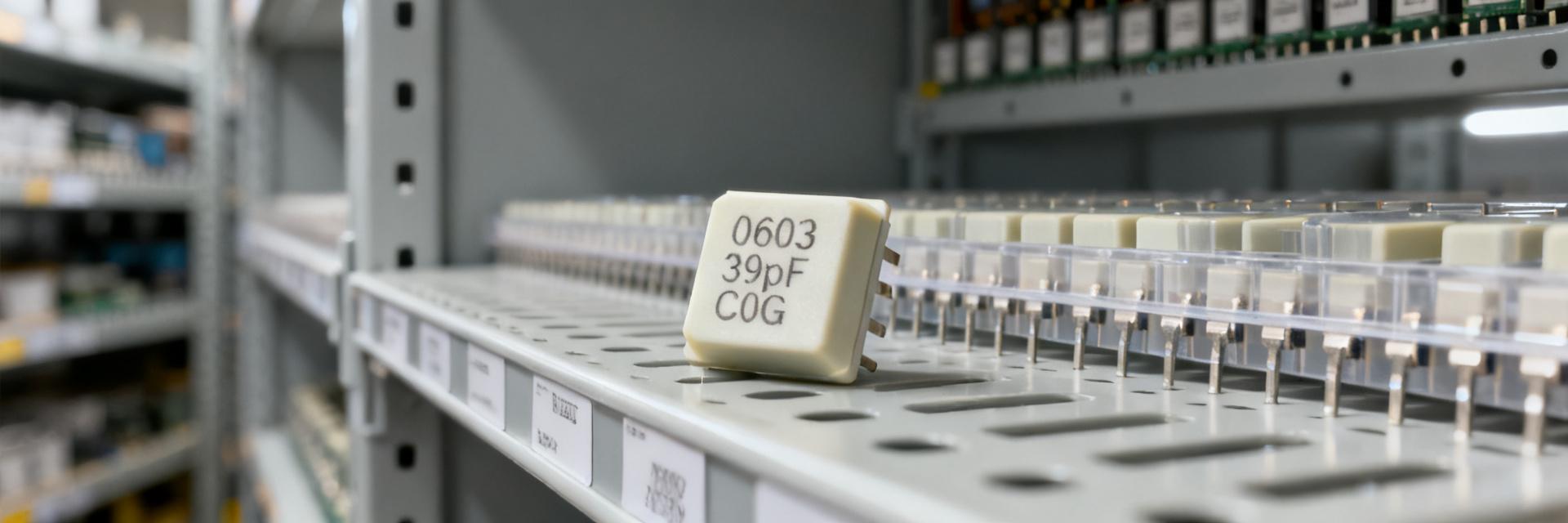
Compact, high-voltage multilayer ceramic capacitors in 0603 packages are increasingly specified where board area and voltage margin matter; the GMT10X7R473K100NT4 is a common choice because it delivers a 47nF (0.047µF) value with a 100V rating in a tiny footprint. This guide decodes the part number, highlights the electrical and mechanical checks that matter, summarizes market and Sourcing realities, outlines verified-spec sourcing steps and substitute rules, and supplies a procurement checklist and RFQ template for practical use.
Background — What GMT10X7R473K100NT4 denotes

Decode the part number
The part string breaks down predictably: GMT10 = series code, X7R = dielectric class, 473 = capacitance code (47nF / 0.047µF), K = ±10% tolerance, 100 = rated voltage, NT4 = package/termination/packaging code mapped to 0603 SMD. Buyers must map each segment to datasheet fields (series characteristics, dielectric class, capacitance at reference frequency, tolerance, V_R, termination finish and reel packing) and confirm the exact datasheet revision and test limits before purchase.
Why X7R and 0603 matter for board-level design
X7R offers moderate temperature stability (±15% over rated temperature range) and good volumetric efficiency compared with NP0/C0G; 0603 saves board area but reduces available capacitance and mechanical robustness versus larger packages. Designers choose X7R 0603 100V when they require a compact decoupling or filtering capacitor with elevated voltage margin; tradeoffs include higher DC-bias capacitance loss and potential reliability sensitivity to board flex and solder fillet geometry.
Data analysis — Key electrical and mechanical specs to verify before buying
Electrical parameters to validate
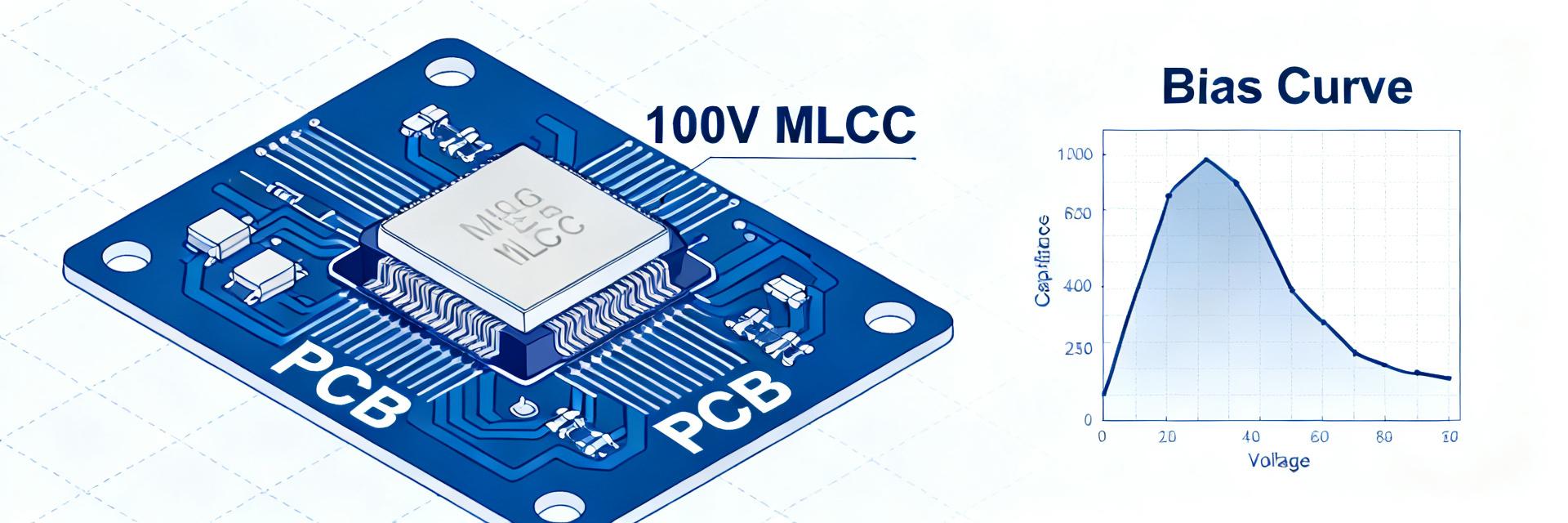
Confirm nominal capacitance at 1 kHz, tolerance, rated voltage and recommended derating, temperature coefficient and expected DC-bias performance for X7R dielectrics. DC bias on X7R can reduce effective capacitance substantially (often 20–60% at a large fraction of rated voltage); quantify by reading capacitance vs. DC bias curves in the datasheet and validating at your application nominal voltage and temperature to ensure required decoupling remains available.
Mechanical & reliability specs
Verify the true 0603 metric land pattern dimensions, component thickness, recommended soldering profile and reflow peak temperature, and termination finish. Check reliability data such as dielectric aging rate, thermal shock, moisture sensitivity level (MSL) and solderability. These mechanical factors frequently appear on procurement acceptance criteria and drive incoming inspection and accelerated stress tests required for flight, automotive or high-reliability procurements.
| Parameter | Datasheet nominal | Procurement / design requirement |
|---|---|---|
| Capacitance | 47nF ±10% @1kHz | 47nF usable at nominal voltage after DC bias (≥30nF if required) |
| Rated Voltage | 100V DC | 100V or higher; specify derating policy for surge margins |
| DC bias loss | Curve provided (varies) | Specify required capacitance at application voltage and test report |
| Package | 0603 | Land pattern match and maximum height for assembly |
Data analysis — Market & sourcing landscape (availability, lead times, pricing)
Availability trends and lead-time signals
Sourcing availability for high-voltage 0603 MLCCs is influenced by demand spikes from power electronics, limited high-aspect-ratio dielectric processes, and production capacity shifts. Read stock and lead-time signals cautiously: tight on-hand stock or long lead times often indicate allocation; plan procurement windows based on typical replenishment cycles, push for firm lead-time commitments, and treat immediate stock as buffer rather than guaranteed long-term supply.
Pricing benchmarks and order sizing
Price drivers include voltage rating, dielectric family, package size and termination finish; 100V X7R in 0603 sits in a mid-to-upper tier versus lower voltage equivalents. Expect prices to vary by order size—MOQ tiers and volume breaks materially affect unit price and lead time. For Sourcing, model total cost including inspection, test and obsolescence risk, not just unit price, when comparing suppliers.
Method guide — Practical sourcing strategies and verification workflow
Verified-spec sourcing steps
Step through a repeatable Sourcing checklist: obtain the full datasheet and confirm electrical/mechanical parameters, request lot and traceability information, secure samples for functional and DC-bias testing, and ask for manufacturing process evidence. Specify acceptance tests (capacitance at application voltage, insulation/leakage) and require test reports with sample lots before qualifying a new part family in production BOMs.
Procurement channels & risk mitigation tactics
Choose channels based on risk tolerance: authorized distribution for traceability, franchised partners for volume pricing, or vetted brokers for immediate supply—always require certificates of conformance and traceability. Mitigate risk with multi-sourcing, safety stock calibrated to lead times, long-lead purchase orders, and contractual clauses for allocation and price protection to reduce obsolescence and supply interruptions.
Case / equivalence — Finding approved alternatives and cross-reference rules
Criteria for acceptable substitutes
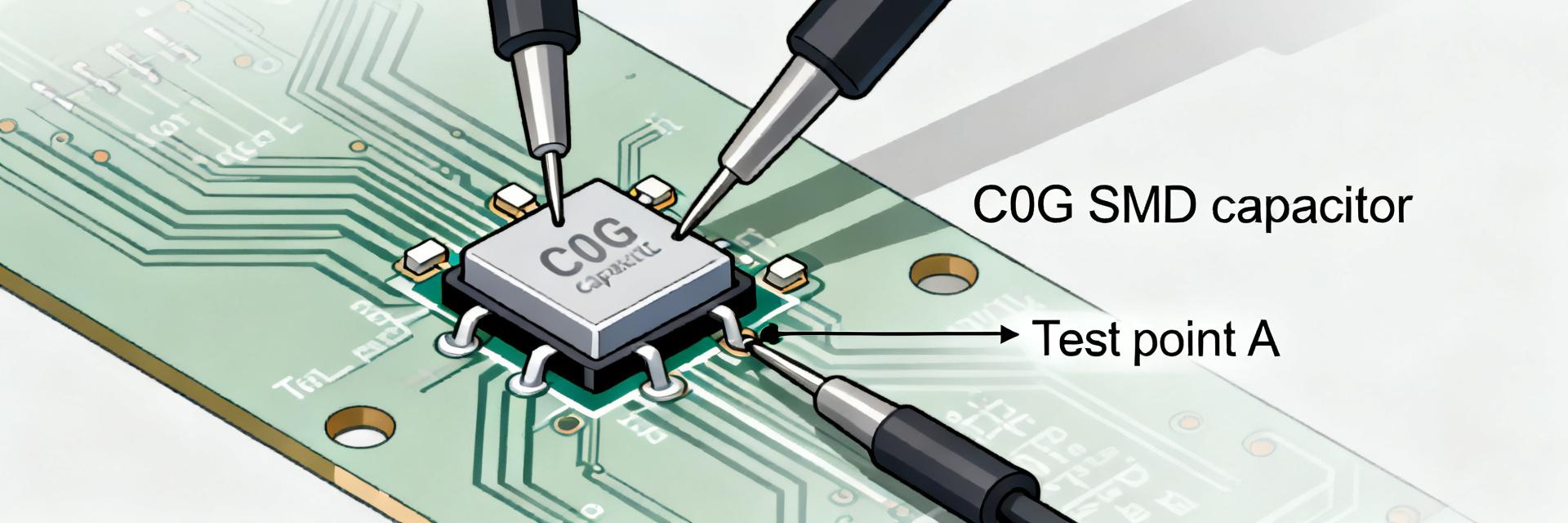
Accept substitutes only when electrical match under DC bias, temperature behavior and voltage rating meet or exceed original part, and package truly fits the 0603 land pattern and reflow process. For X7R 0603 100V parts, allow alternate manufacturers only if measured capacitance at application voltage and expected aging match requirements; changing dielectric class (to NP0/C0G or X5R) requires assessment of stability vs. capacitance tradeoffs.
How to create a validated cross-reference
Build a technical side-by-side matrix, run sample testing for DC-bias, temperature cycles and solder reflow, and document reliability/qualification test results before updating the BOM. Common pitfalls include accepting similar markings without validating DC-bias curves or aging rates—always archive test evidence and supplier lot traceability to support approval.
Action recommendations — Procurement checklist & RFQ / acceptance fields
Short, actionable buyer checklist
Include a concise procurement checklist in RFQs and POs: full part number and datasheet revision, required test reports, lot/traceability, packaging format (tape & reel), sample qty, AQL/inspection criteria, storage instructions, and explicit electrical acceptance tests such as capacitance at application voltage and insulation/leakage limits. Use this checklist as the baseline for incoming inspection and qualification sampling.
Sample RFQ / PO fields and long-term buying tips
| Field | Requested entry |
|---|---|
| Part number | Full manufacturer part or equivalent |
| Datasheet revision | Specify revision/date and require copy |
| Unit price / MOQ | Unit price, MOQ, volume breaks |
| Lead time | Confirmed lead time from PO issue |
| Traceability | Lot code, country of origin, COO |
| Test reports | Capacitance @ application V, IR/leakage |
| Packaging | Tape & reel quantity, humidity barrier |
Technical FAQs
What is the typical DC bias effect on GMT10X7R473K100NT4 under its 100V rated voltage?
Under full 100V DC bias, X7R dielectrics in an 0603 footprint typically experience a significant capacitance drop, sometimes losing 40% to 60% of their nominal 47nF value. For high-voltage applications, designers must calculate the effective capacitance at the operating voltage to ensure adequate decoupling margin.
Can a 50V rated 0603 47nF capacitor be used as a direct substitute?
Absolutely not without direct system design approval. Standard derating principles require the capacitor's rated voltage to exceed the operational bus voltage by at least 50%. A 50V capacitor lacks the insulation resistance and voltage safety margin of the 100V rated GMT10X7R473K100NT4, potentially leading to dielectric breakdown in 48V+ power systems.
What are the recommended land pattern dimensions for the 0603 footprint of this component?
For standard reflow soldering of 0603 (metric 1608) MLCCs, the recommended land pad is typically 0.8mm x 0.8mm with a pad-to-pad spacing of 0.8mm. Ensuring precise land pattern alignment minimizes mechanical stress, thermal profiling mismatches, and prevents tombstoning.
How can procurement verify the authenticity and batch quality of GMT10X7R473K100NT4 shipments?
Procurement should demand a Certificate of Conformance (CoC) tied directly to the manufacturer's lot number, verification of packaging integrity (humidity indicators and vacuum sealing), and run incoming inspection tests to measure nominal capacitance at 1kHz/1Vrms and check insulation resistance.
Summary
The GMT10X7R473K100NT4 is a practical 47nF, 100V X7R in 0603 for compact decoupling where voltage margin matters; verify full datasheet fields, quantify DC-bias loss at your nominal voltage, follow the Sourcing checklist above, and qualify at least one approved equivalent before production. Use the RFQ template and comparison table to enforce acceptance tests and traceability, reducing risk in procurement and assembly.