Based on recent marketplace snapshots, demand volatility and constrained inventories are driving fluctuating lead times for GMT10CG270J50NT4, a C0G NP0 ceramic capacitor used in precision circuits. Expect spot shortages and price swings in the near term; procurement teams should combine fast-response buys with qualification of validated alternates to limit production risk.
1 — Product Overview & Technical Specs
GMT10CG270J50NT4 is a multilayer ceramic device specified for low-loss, temperature-stable applications. Its nominal capacitance is 27 pF with ±5% tolerance and a rated DC voltage of 50 V. The dielectric is C0G/NP0, providing near-zero temperature coefficient and very low dissipation factor suitable for timing, RF, and precision analog tasks.
1.1 Key Electrical and Physical Specs
Critical fields to record from the datasheet: exact part ID, capacitance 27 pF, tolerance ±5%, rated voltage 50 V, dielectric C0G/NP0, package 0603 (1608). Note: tolerance and dielectric type directly affect interchangeability; a part with different dielectric (X7R vs C0G) is not a drop-in for timing circuits.
2 — Current Stock & Data Analysis
Availability indicators across supplier feeds typically show fragmented stock: small on-hand quantities, allocated inventory, and extended ETAs for bulk reels. Monitor a rolling 8–12 week window for lead-time shifts and weekly price updates.
2.1 Price & Lead-Time Trend Snapshot
Example trend snapshot: median price per 1k recently moved from $0.045 to $0.065 (≈44% rise) while average lead time widened from 6 to 14 weeks. Update these trends weekly for fast-moving SKUs to detect seasonality or supplier-specific shocks.
3 — Sourcing Channels & Validation
| Channel | Price | Lead Time | Traceability / Warranty |
|---|---|---|---|
| Authorized Distributor | Moderate | Standard | High (COA, Trace) |
| Specialized Broker | Variable Premium | Short (if stock) | Low–Medium (Verify) |
| Open Marketplace | Lowest to Premium | Variable | Low (Buyer Beware) |
4 — Equivalent Parts & Decision Rules
When stock is constrained, follow a parametric cross-reference process:
- Step 1: Require identical dielectric (C0G/NP0) for critical circuits.
- Step 2: Match capacitance within tolerance; prefer same tolerance band (±5%).
- Step 3: Ensure rated voltage ≥ original and same package footprint (0603).
- Step 4: If any criterion fails, escalate to redesign evaluation and stability testing.
5 — Procurement Checklist
- Tactical: Set real-time alerts for on-hand quantity changes. Place split buys (small emergency qty + planned PO).
- Strategic: Multi-source with at least two qualified suppliers and maintain a qualified alternates library.
FAQ
How can buyers quickly verify the authenticity of a ceramic capacitor?
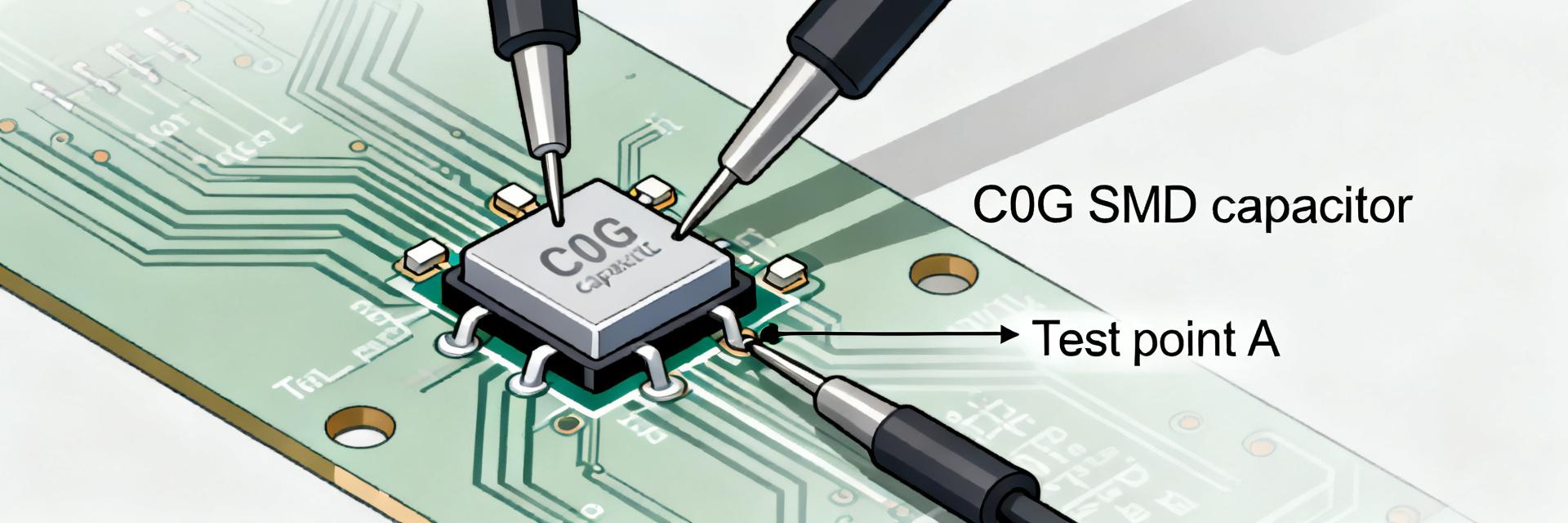
Request COA and lot traceability, inspect tape-and-reel packaging for correct markings, compare visuals to the datasheet, and perform sample electrical tests (capacitance and leakage).
What lead-time data should be tracked for fast-moving passive SKUs?
Track quantity on hand, allocated stock, ETA per lot, median lead time, and price break tiers. Use a 6–12 month rolling view to detect seasonality.
When is it acceptable to use an alternate dielectric instead of C0G/NP0?
Only after circuit analysis shows tolerance for temperature-dependent capacitance changes. For timing or RF circuits, dielectric changes typically require full requalification.
What are the long-term risk mitigation strategies for this SKU?
Implement multi-sourcing, maintain an alternates library, calculate safety stock (z-score × demand std dev × sqrt(lead time)), and use lead-time protection clauses.
Summary: Prioritize C0G-first cross-referencing, maintain live availability alerts, and use a two-tier sourcing approach (Authorized for volume, Vetted Brokers for emergency) to ensure supply continuity.